Understanding the Unique Care Requirements of the Subaru Boxer Engine
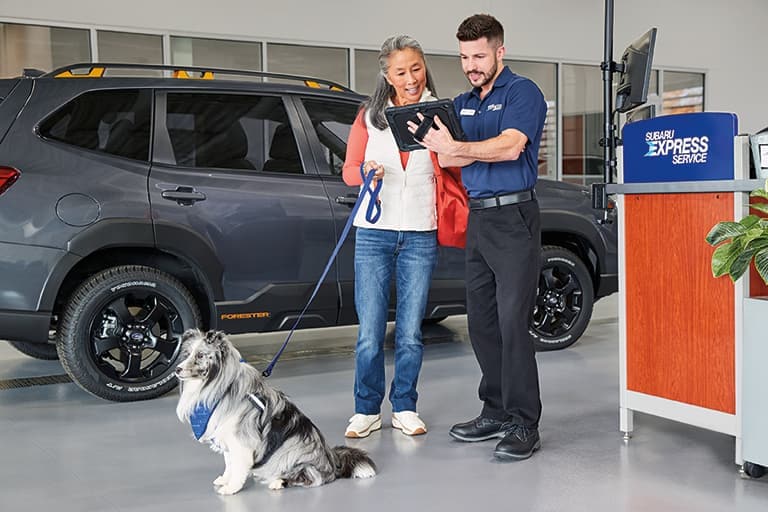
The horizontal layout of the 2.5L H4 and 2.4L H4 engines provides a low center of gravity that defines the handling of the Subaru lineup, but it also dictates a specific approach to maintenance. Because the cylinders are laid flat, gravity can cause oil to settle differently than in a traditional upright engine. This makes the use of genuine filters and the correct oil weight non-negotiable for long-term health. When I walk families through the service bay, they often ask what makes the horizontal layout different for their long-term care, and I explain that it requires specialized coolant to prevent internal corrosion in the unique water jackets.
By the time a 2026 Subaru Forester reaches 60,000 miles, the spark plugs require replacement. In a Boxer engine, this is a technical task that involves working in the tight spaces between the engine block and the frame rails. Our technicians use specialized tools to ensure the gap is precise and the seals are perfect, maintaining the fuel efficiency that keeps your weekend trips affordable. Neglecting these can lead to localized hot spots, which are detrimental to the aluminum block over time.
Air quality is another factor that impacts the Boxer's performance. North-central Florida is known for heavy pollen and dust from rural roads, which can quickly clog an intake. We recommend a regular engine air filter replacement to ensure the fuel-to-air ratio remains optimal. Using anything other than genuine Subaru parts can sometimes lead to fitment issues that allow unfiltered air into the combustion chamber, causing premature wear on the cylinder walls.
The Vital Role of Specialized Software in Maintaining Subaru EyeSight Systems
Safety is often the primary reason families choose our brand, and the
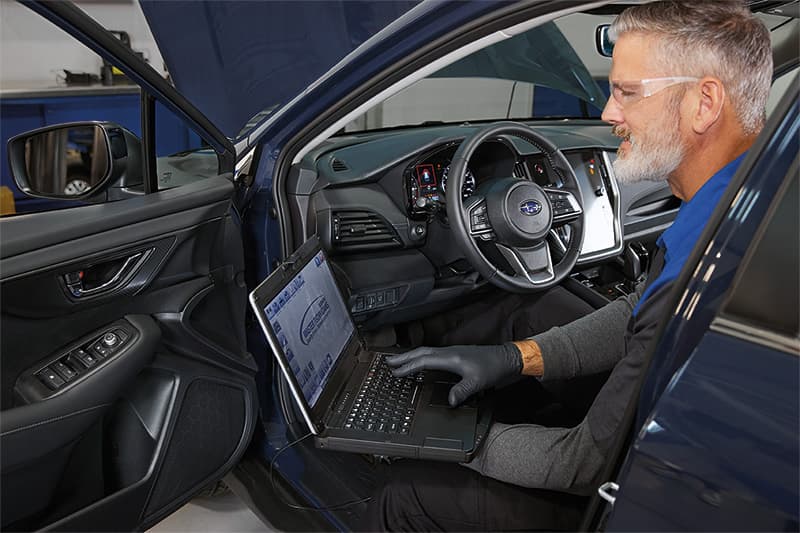
EyeSight system is the heart of that protection. This technology relies on dual cameras to monitor traffic and provide pre-collision braking. However, these cameras are sensitive to the slightest change in the vehicle's geometry. If you have a windshield replaced or even a significant suspension repair, the system must be recalibrated using the proprietary Subaru Select Monitor software.
Independent shops often use generic diagnostic tools that can read basic engine codes but lack the deep-level access required to align the EyeSight cameras. Without precise calibration, the system might not react correctly in an emergency, or it could provide false alerts. We ensure that every safety-related repair is followed by a software verification to maintain the Top Safety Pick+ standards your vehicle was built to meet.
If you notice any warning lights on your dashboard or feel that your adaptive cruise control is not behaving as it should, it is important to reach out to our service team immediately. We can perform a diagnostic scan that looks beyond the surface to ensure all electronic control modules are communicating perfectly. This level of technical oversight is what provides the peace of mind that your family is protected on every school run and holiday road trip.

Comparing Factory-Certified Service with Independent Shop Capabilities
Choosing where to take your vehicle for repair often comes down to a choice between a general mechanic and a specialist. In Newberry, where many residents rely on their vehicles to handle both paved highways and the occasional gravel farm road, the durability of the suspension is paramount. A general shop might use aftermarket bushings or struts that are "close enough," but these parts often lack the specific dampening rates required to maintain the balanced feel of the Symmetrical All-Wheel Drive system.
Our technicians spend hundreds of hours in brand-specific training, learning the nuances of the CVT and the intricacies of the electrical architecture. This expertise allows us to identify potential issues, like a minor fluid seep or a worn CV boot, long before they become expensive breakdowns on the side of the road. We also handle all manufacturer recalls and warranty repairs at no cost to the owner, services that independent shops simply cannot provide.
The value of a documented service history at a certified center also reflects in the long-term worth of your vehicle. When you follow the factory-aligned schedule, you are building a record of care that proves the car has been maintained with the right fluids and parts. You can read through our latest customer feedback to see how other local owners have found the transition from independent shops to our specialized care to be a benefit for their vehicle's longevity.
Comprehensive Care from Routine Oil Changes to Major CVT Inspections
The CVT (Continuously Variable Transmission) is a sophisticated piece of machinery that requires specific fluid to manage the heat generated by its internal chain and pulleys. We recommend an inspection of the transmission fluid at 30,000 miles. If the fluid shows signs of discoloration or thermal degradation, we replace it to protect the internal components. By 60,000 miles, a full service of the CVT fluid is mandatory for many models to ensure the molecular structure of the lubricant continues to protect the metal surfaces.
Every time you visit us, we perform a detailed multi-point inspection. This isn't just a quick glance; it's a systematic check of the:
- CV Boots and drive shafts for tears or leaks.
- Differential gear oil levels and condition.
- Brake pad thickness and rotor surface integrity.
- Steering and suspension linkages for any play or wear.
Our service advisors and technicians work together to prioritize these findings. We understand that "old ways are highly satisfying," and that includes the honest, transparent communication you expect from a local business. You can get to know our service staff who are dedicated to keeping your vehicle running like new. We focus on what is urgent for safety and what can be planned for in the future, helping you manage your maintenance budget without surprises.